HB OSTEOPATHY WEYMOUTH
  • Home
  • Treatments
    • What Is Osteopathy? >
      • What to Expect
    • Paediatric Osteopathy
  • Contact me
  • Testimonials
  • Blog
  • Policies

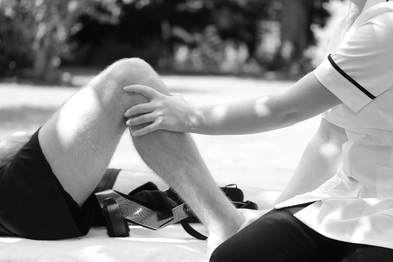
More move, less rest when you sustain an Injury

29/10/2020

7 Comments


Sprains and strains to muscles and joints happen to all of us and for most they are a painful, but temporary reminder to be a little more careful. Prompt action can help your body to heal faster and may prevent further injury or prolonged pain. ​

Strained or ‘pulled’ muscles often happen when we over exert untrained muscles, train without properly warming up or trying to go beyond a joint’s natural flexibility. Sometimes we feel the pain straight away, however some injuries might not cause pain until later on. What can you do?
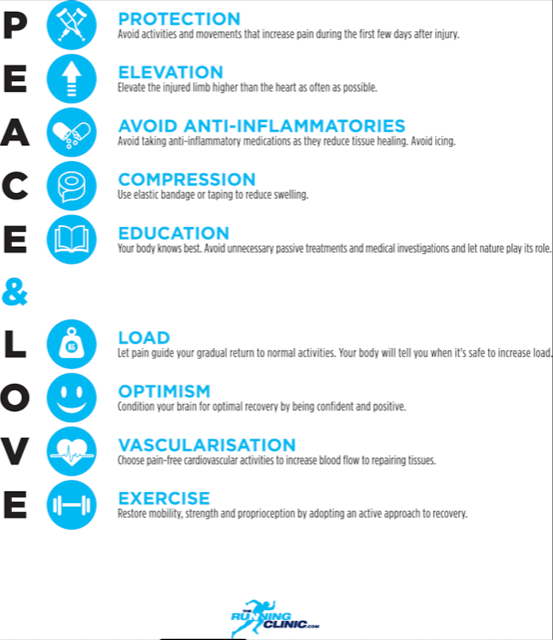
Remember RICE? (Relative rest, Ice, Compression and Elevation),  we now use PEACE & LOVE which is rather a long acronym but bear with .......... we as Osteopaths do use this to guide you through the healing process.
Picture

Protect

The first thing to do if you feel pain is to reduce the offending activity – pain is usually your body’s way of telling you that there is something wrong that needs your attention. It can be normal to feel a little sore after exercises for a day or two, but if it is more than this, pushing through the pain is rarely beneficial.
However, movement does stimulate the healing process so stay as mobile as you comfortably can. Try to keep the joint moving through a comfortable range of motion, without forcing it to the point of pain. This will help to encourage blood flow and keep your joint flexible whilst it heals. This is particularly relevant for back pain as gentle exercise, such as walking, can help. You should slowly build your activity levels up as soon as your symptoms begin to resolve and as soon as you are able.

Elevation

If the injury is in the lower limb (knee or ankle), elevating the area a little can make it easier for your body drain fluids that might accumulate around the area, causing swelling. For example, if you’ve hurt your knee, sitting down with the knee raised on a low foot stool may ease your pain.​

Avoid anti-imflammatories and ice!

No more defrosted bags of peas and no ibuprofen, you can use paracetamol for pain relief

Compression

Gently applying a compression dressing may help to temporarily support the injured joint and reduce swelling, though remove this immediately if there are signs that this is reducing the circulation to the area (numbness, pins and needles, the skin turning white or blue etc).

Education

Listen to your body, avoid too many medical interventions, be patient and let nature play its role.
​

and  (when you are ready)

Load

Let your pain guide you through a gradual return to normal activities. You should slowly build your activity levels up as soon as your symptoms begin to resolve and as soon as you are able.

Optimism

A positive and confident approach to  movement post injury gives you optimal chances of recovery.

Vascularisation

Choose pain free cardio exercise this will help to encourage blood flow to the repairing tissue and keep your joint flexible whilst it heals.

Excercise

​Keep  moving through a comfortable range of motion, without forcing it to the point of pain. The aim is to restore mobility, strength and proprioception by adopting an active approach to recovery.

Seek Medical Attention

If you have pain that can’t be controlled with over the counter painkillers, can’t put weight on the injured limb, experience paralysis or loss of sensation or the swelling is very bad seek help from your local A&E department, urgent care centre or telephone 111 for advice.

Your Osteopath can help.

If the pain or swelling fails to improve within a week, a visit to an Osteopath may be beneficial. They will be able to assess the injury, advise you on the correct treatment, guide you through some self help and can provide some specific manual therapy which may help with a speedier recovery.
7 Comments

You are In Good Hands

1/8/2020

0 Comments

 
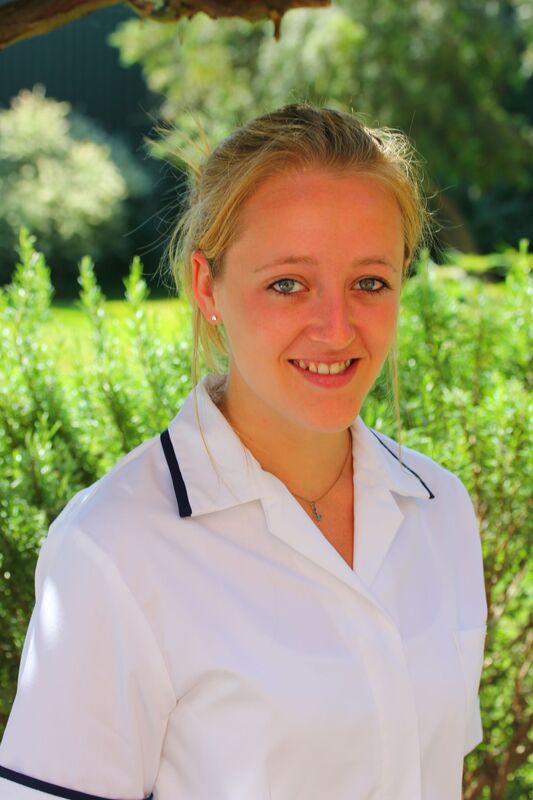
​My Name is Hannah Ramsay and I am based at The Osteopathy and Injury Management Centre in Abshot Country Club, Titchfield, Hampshire.  I can be contacted by telephone 07908 415 376 or please do feel welcome to visit my website and use the contact  page.  www.hbosteopathy.com  

It typically takes 4 years to become a qualified Osteopath, and requires over 1,000 hours of clinical training. We are also required to maintain our skills through ongoing training and professional development.
​
​
​Osteopathy is a regulated profession, all Osteopaths are required by law to register with the General Osteopathic Council, this body ensures that we all comply and adhere to high professional standards. 

I am also a member of the 
Institute of Osteopathy, which exists to share the latest knowledge and promote best practice in osteopathy. They also publish the IO Patient Charter, based on the national quality standards of the Care Quality Commission, which we use to demonstrate our commitment to the highest standards of patient care.
These assurances exist to make sure you can be confident that, as your Osteopath, I have the skills, qualifications and knowledge to help you to live healthier lives.

Read More
0 Comments

Back Pain and Children

6/6/2020

30 Comments

 
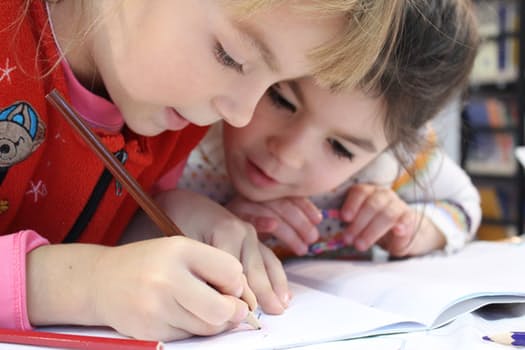
​Like adults, children can suffer from back pain as a result of a variety of lifestyle activities. If your child does complain of back pain, it is important to seek advice from qualified professional, An osteopath can help to establish the cause of the problem and will provide advice on treatment, or refer you for further examinations if required.
Like adults, there are number of things that parents and carers can do to prevent issues arising in the first place. Some helpful tips are listed below.
Picture

Read More
30 Comments

Arthritis - How we can help

7/10/2019

7 Comments

 
Arthritis is a common condition that is estimated to effect around 10 million people in the UK. Those living with the condition often experience pain and stiffness of the joints as well as difficulty performing normal daily activities. This in turn can cause low mood and a sense of isolation.
​

There is a  common perception that there is nothing that can be done for you once you have received a diagnosis of arthritis and that it is just something that you will need to put up with or that medication or surgery is the only way. In fact, nothing could be further from the truth. There are lots of things that people with arthritis can do to help themselves to maintain an active and fulfilling lifestyle and an osteopath can help you to develop an action plan that works for you.
Picture

Read More
7 Comments

An Osteopath's view on the effect of breast size on posture.

5/4/2018

1 Comment

 
Picture
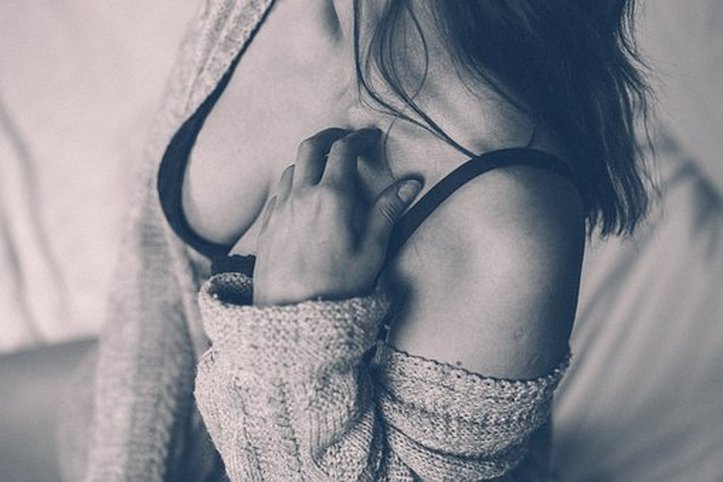
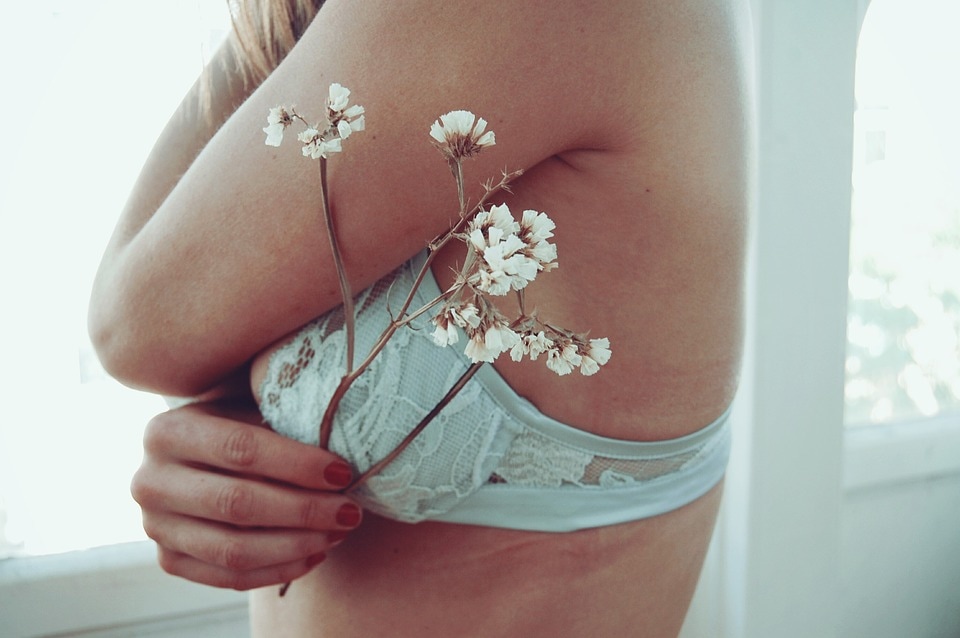
Breast size has been shown to be an important factor that affects posture, especially in the thoracic spine (upper back). Recent studies have shown that a significant difference is seen when comparing the angle of the thoracic spine (the shape of the upper back) between ladies with an A cup compared to a D cup.

​Ladies with a D cup size often have a more curved upper back which in turn leads to rounding of the shoulders as well as some compression through the rib cage. The impact of the heavier breast tissue however is not limited to the thoracic spine. It has also been shown to cause an increase in the lumbar spine angle (increase the curve in the lower back) and has also therefore been linked to lower back pain.
​
These changes in posture have been given a label  'Upper Cross Syndrome'. It is not just large breasts that can predispose this condition with desk work and/or a sedentary life style also a factor. However, it can also occur in athletes particularly swimmers and weightlifters who over use their chest muscles.
Picture
Physiological and psychological symptoms associated with large or heavy breast tissue have been reported in many studies. These include:
-          Pain resulting from poor body posture (headaches as well as neck, shoulder, lower back and breast pain.)
-          Numbness/tingling in the hands or fingers
-          Breathing disorders
-          Bra strap chaffing
Furthermore large breasts can also cause issues with:
-          Discomfort and limitations during daily and sporting activities 
-          Low self-esteem and poor body image
-          Difficulty finding suitable clothing.

If you believe this might be causing some of your symptoms there are two simple things you can do to help yourself:
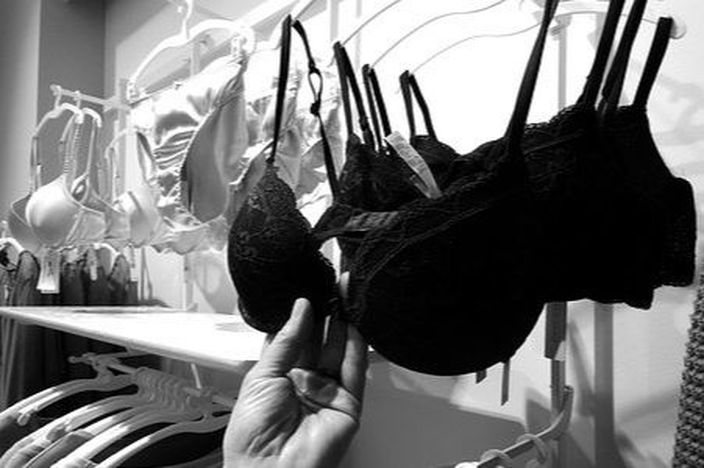
1.       Ensure that you are wearing a correctly fitting bra. The correct support will help prevent some of these conditions from occurring and, what’s more, can reduce your symptoms significantly. Not only will a correctly fitted bra have a positive effect on your posture but can also be more flattering and help with self-esteem and body image too.
2.       At regular intervals throughout the day, tuck your chin back in towards your chest and pull your shoulders back and downwards. Hold this position for 30 seconds at a time, relax and repeat 4-5 times. Stretching these tight muscles and strengthening the weaker muscles helps to restore proper posture and insure this postural pattern doesn’t return. ​
Picture


​If you are suffering with any of the symptoms mentioned above and would like some extra guidance in understanding the treatment and self-help options available, an Osteopath may be able to help.
Osteopathy is a form of alternative medicine that uses a patient focused, physical approach to examine, diagnose, treat and prevent a wide range of health problems and conditions. Osteopaths use a combination of movement, stretching, targeted deep tissue massage and manipulation of a person’s muscles and joints to improve function, relieve pain and most importantly support the body’s ability to heal itself.

Book an Appointment
1 Comment

Your Modesty Matters - what to expect during treatments

1/3/2018

1 Comment

 
It is important that you feel comfortable during your osteopathy appointment  particularly around matters of modesty and privacy.  I have highlighted a few things to be aware of to try and make you more  prepared for your assessment and treatment. 

At the beginning of your first session I will ask questions about your medical history and lifestyle as well as your symptoms. Some of these questions may seem unrelated, however, it is very important for me to get the whole picture, as it will help me to make a more accurate diagnosis and suggest appropriate treatment. ​
Picture
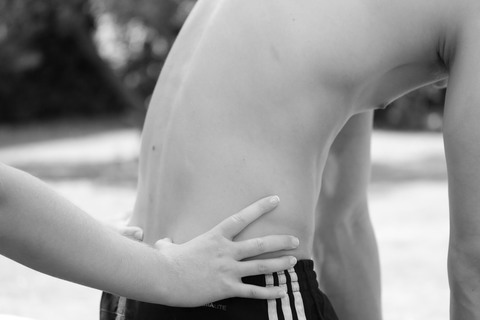
I will need to examine the area(s) of your body causing discomfort. Sometimes the cause of the problem may be in a different area to the pain, (for example, a difference in leg length may result in compensations in the upper back which might result in neck pain) so I may need to examine your whole body. 
 
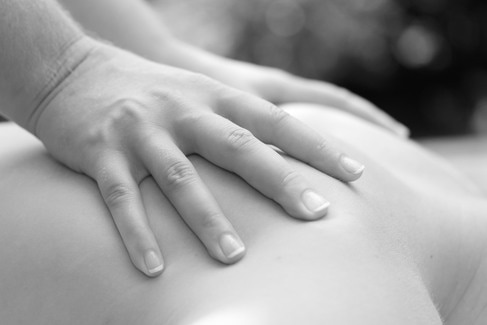
I will need to feel for tightness in the muscles and stiffness in the joints and may need to touch these areas to identify problems. I will explain this as we go along, but if you are uncomfortable with any part of this then let me know, and I can adjust or stop if you prefer. 
Picture

As with a visit to a GP or other medical professional, for me to examine you effectively it may be necessary to ask you to remove some clothing as appropriate for the condition. This may mean undressing down to your underwear (sports shorts or leggings are usually fine too!). If this is a problem for you then let me know and we will try to make arrangements that make you more comfortable. you will not be in this situation for long, once the treatment starts I will use towels  and blankets to keep you warm and maintain modesty.
 
You are always welcome to bring someone with you for all or part of your consultation if it would make you more comfortable, we do ask that children are accompanied by a parent or guardian at all times.
 
Remember, if you have any questions, Please Ask! I will be very happy to discuss this with you: call or text 07908415376 and I will respond as soon as I can.

​Hannah Ramsay
Book An Appointment
1 Comment

Why Women Should Lift Weights.

19/1/2018

4 Comments


Following my last blog I have a few women get in touch asking questions about how lifting weights could change their exercise routines for the better. The following information has been put together by the Institute of Osteopathy and can also be found on their website. It is well worth a read.    

Picture

Read More
4 Comments

5 Tips to Help you Keep up with Those New Year's Resolutions

3/1/2018

3 Comments


Over the past few weeks many of my patients have mentioned how they started January off well with their new year’s resolutions but have begun to lose all motivation. I have put together some ideas and personal experiences to try and help you keep going with your resolutions when there are so many temptations out there. ​

Picture

Read More
3 Comments

Osteopathy for work

21/10/2017

4 Comments

 
The health and safety executive estimate that in 2013/14 there were 526,000 cases of work related musculoskeletal disorders (MSDs) – about 42% of all work related illnesses MSDs are the second biggest cause of absence from work, effecting over 1m people at a cost to the economy (estimated in 2007) of £7bn.
Picture
​If you are self-employed, taking time off work with musculoskeletal problem can have a devastating effect on you and your family’s financial security, so getting back to work as quickly as possible is essential. That can seem impossible when you’re in pain and unable to complete your usual daily activities, but movement really helps.

Read More
4 Comments

Referring to Other Healthcare Professionals

17/9/2017

1 Comment

 
As a primary healthcare professional your osteopath, in addition to their osteopathic skills, have been trained to undertake detailed medical histories and a comprehensive range of clinical examinations in an effort to diagnose the cause of your symptoms. It is due to this extensive training that they are able to determine if you may need to be referred on for further tests to determine an accurate diagnosis, or if your condition may require the intervention of another health professional.
Picture

Read More
1 Comment
<<Previous
Forward>>

    Author

    My name is
    Hannah Roaf,
    I graduated from the European School of Osteopathy with  an Integrated Masters Degree in Osteopathy with First Class Honours, and a Diploma in Sports Massage and have since gained further qualifications in Sports and Kinesiology Taping.
    I spent 4 years working at Stubbington Natural Health Clinic and supporting Fareham 1st  Team Hockey with their Injury Management.
    ​I now have my own Practice at Abshot Country Club and 

    Lynch Lane in Weymouth

    Archives

    November 2022
    July 2022
    October 2021
    September 2021
    August 2021
    July 2021
    June 2021
    May 2021
    April 2021
    March 2021
    February 2021
    January 2021
    November 2020
    October 2020
    August 2020
    June 2020
    October 2019
    April 2018
    March 2018
    January 2018
    October 2017
    September 2017
    July 2017
    February 2017

    Categories

    All

    RSS Feed

Home

Treatments

Book an Appointment

Testimonials

Blog

Copyright © 2015
  • Home
  • Treatments
    • What Is Osteopathy? >
      • What to Expect
    • Paediatric Osteopathy
  • Contact me
  • Testimonials
  • Blog
  • Policies